


Quick Answer: Yes, window tint does affect natural light, but probably not the way you think. Quality window films typically reduce visible light by 5% to 50%, depending on the type you choose. The key is that modern tinting technology blocks heat and UV rays while letting in plenty of usable daylight. Most homeowners report their spaces feel brighter and more comfortable after installation because there’s less glare and heat buildup.
Key Takeaways
- Window tint blocks harmful UV rays (up to 99%) and solar heat while maintaining natural light
- Visible light transmission ranges from 50% to 95% depending on film type
- Ceramic and carbon films offer the best balance of light retention and heat rejection
- Darker tints reduce more light but aren’t always necessary for heat control
- Your eyes adjust quickly, rooms rarely feel darker after professional installation
Here’s something I hear almost every week: “I want to cut down on heat, but I don’t want my house to feel like a cave.”
When you’re considering residential window film tinting for your home, understanding light transmission helps you make the right choice. Fair concern. Natural light makes spaces feel alive. It affects your mood, helps with circadian rhythms, and honestly, who wants to live in a dungeon? But here’s where the conversation gets interesting: window tint technology has come a long way from those dark, mirror-like films you see on old cars.
How Window Tint Actually Works with Light
Window film isn’t just a dark sheet of plastic slapped on your glass. Modern films are engineered materials with multiple layers that target specific wavelengths of light.
Think of it this way: sunlight carries three types of energy: visible light (what you see), infrared radiation (what you feel as heat), and ultraviolet rays (what damages your skin and furniture). Quality window tint acts like a bouncer at a club. It stops the troublemakers (UV and infrared) while letting the good guests (visible light) through.
The Numbers Behind Visible Light Transmission
Visible Light Transmission, or VLT, measures how much light passes through your windows. A film with 70% VLT blocks 30% of visible light. Sounds simple, but here’s what it means in practice:
|
VLT Percentage |
Light Reduction | Best For | How It Feels |
| 85 to 95% | Minimal (5 to 15%) | UV protection without noticeable change | Barely different from bare glass |
| 70 to 80% | Light (20 to 30%) | Balanced heat rejection and brightness | Slightly softer light, comfortable |
| 50 to 60% | Moderate (40 to 50%) | Maximum heat control, reduced glare | Noticeably dimmer, cozy feel |
| 35 to 45% | Significant (55 to 65%) | Privacy and sun control | Darker ambiance, good for media rooms |
What People Actually Experience
I’ve installed window film in hundreds of homes around Greenville, and the response is almost always the same after a week: “I don’t even notice it anymore.”
Your brain adjusts. Fast.
The first day, you might think “hmm, it’s a bit different.” By day three, it just feels normal. What doesn’t feel normal anymore is when you visit a house without tinted windows. The glare suddenly seems unbearable, and you wonder how you ever lived with it.
One client put it this way: “My living room doesn’t feel darker. It feels comfortable.” She could finally use her couch without the afternoon sun turning it into a hot seat. Her furniture stopped fading. And she wasn’t squinting at the TV anymore.
The Glare Factor (This Matters More Than You’d Think)
Glare is natural light’s evil twin.
Direct sunlight streaming through windows causes eye strain, makes screens impossible to see, and forces you to close blinds, which defeats the whole purpose of having windows. Window tinting reduces glare by 50% to 95% depending on the film you choose. The light becomes diffused rather than harsh.
Here’s what changes:
- You can actually see your laptop or TV screen during the day
- Reading near windows becomes pleasant instead of painful
- Rooms feel brighter because you’re not constantly squinting
- You stop reflexively closing blinds every afternoon
That last point is huge. People install window tint to control heat, but they end up loving it because they can finally enjoy their windows again.
Different Films, Different Light Levels
Not all window tints are created equal when it comes to natural light retention.
- Ceramic Films are the gold standard for keeping light while blocking heat. They can reject up to 60% of solar heat with VLT ratings between 70% and 90%. How? They use nano-ceramic particles that block infrared radiation without affecting visible light transmission. It’s like having sunglasses that only filter heat.
- Carbon Films offer solid performance with VLT typically ranging from 50% to 70%. They’re less expensive than ceramic but still maintain good light levels while reducing heat by about 40% to 50%. A smart middle-ground option for most homeowners.
- Metalized Films are more reflective and usually block more visible light, with VLT around 35% to 50%. They’re effective but create that mirror look some people find off-putting. Better for commercial applications or specific privacy needs.
- Dyed Films are the budget option with VLT between 50% and 70%, but they primarily reduce light rather than heat. From my experience, they’re rarely the best choice if heat control is your main concern.
If you want to dive deeper into film types, check out our comparison of ceramic vs. carbon vs. dyed films.
The UV Protection Advantage
Here’s something worth noting: window tint blocks up to 99% of UV rays regardless of how much visible light it allows through. UV radiation is what fades your floors, damages your furniture, and ages your skin. It’s invisible to the human eye.
This means you can install a light-colored, barely-noticeable film and still get nearly complete UV protection. Your furniture stops fading, your hardwood floors last longer, and you reduce skin cancer risk, all without significantly changing how bright your rooms feel.
That’s a pretty good deal if you ask me.
Room-by-Room Considerations
Not every room needs the same approach.
Living Rooms and Kitchens usually do well with 70 to 80% VLT films. You want natural light for daily activities, but you also want to cut down on the afternoon heat that makes these spaces uncomfortable. These are the rooms where you’ll notice the biggest improvement in usability.
Bedrooms can handle slightly darker films (60 to 70% VLT) if you prefer a more restful environment. Some people specifically choose lower VLT for bedrooms to help with sleep quality. Others want it bright in the morning. It’s personal preference.
Home Offices benefit from higher VLT ratings (75 to 85%) to maintain natural light for productivity while eliminating screen glare. You’re probably spending hours in here, so getting the balance right matters.
Sunrooms present an interesting challenge. They’re meant to be bright, but they often become unusable greenhouses by midday. Films in the 60 to 75% VLT range transform these spaces from seasonal rooms into year-round living areas. We’ve covered this in more detail in our article about best window films for different room types.
What About Dual-Pane and Low-E Windows?
This question comes up constantly.
Yes, you can tint dual-pane and Low-E windows, but you need the right film. Low-E windows already have a coating that reflects infrared radiation. Adding the wrong film can trap heat between the panes and potentially damage the glass seal. Ceramic films are usually the safest option because they don’t add metallic layers that interfere with existing coatings.
If you have newer, energy-efficient windows, it doesn’t mean you don’t need tint. Low-E coatings help, but they don’t block UV rays as effectively as window film, and they don’t eliminate glare. Many homeowners add film to Low-E windows specifically for UV protection and glare reduction while maintaining the thermal benefits they already have.
We’ve written more about tinting dual-pane and Low-E windows if you want specific technical details.
The Dark Tint Myth
There’s this assumption that darker tint equals better heat rejection. Not true.
I’ve seen people choose dark films thinking they’ll stay cooler, only to find out a lighter ceramic film would have blocked more heat while keeping the room brighter. Color and darkness affect visible light transmission, but heat rejection depends on the film’s technology and materials, not how dark it looks.
A quality ceramic film at 70% VLT can outperform a cheap dyed film at 35% VLT when it comes to actual temperature reduction. The darker film makes your room dimmer without solving the heat problem as effectively.
Does Your House Really Feel Darker?
Let me be straight with you: if you install a 35% VLT film, yes, your rooms will be noticeably dimmer. That’s just physics.
But most residential applications use films between 50% and 80% VLT, and at those levels, the change is subtle. What people typically notice more is the reduction in glare and hot spots rather than overall brightness. The quality of light improves even if the quantity decreases slightly.
Think about wearing polarized sunglasses. They reduce light, but they make seeing easier because they cut glare. Window tint works similarly for your home.
Your perception also depends on what you’re comparing it to. If you’ve been living with blinds closed half the day to block heat and glare, properly tinted windows will feel brighter because you can actually keep them uncovered. If you currently have bare glass and full sun all day, you’ll notice the change more initially.
Professional Installation Makes a Difference
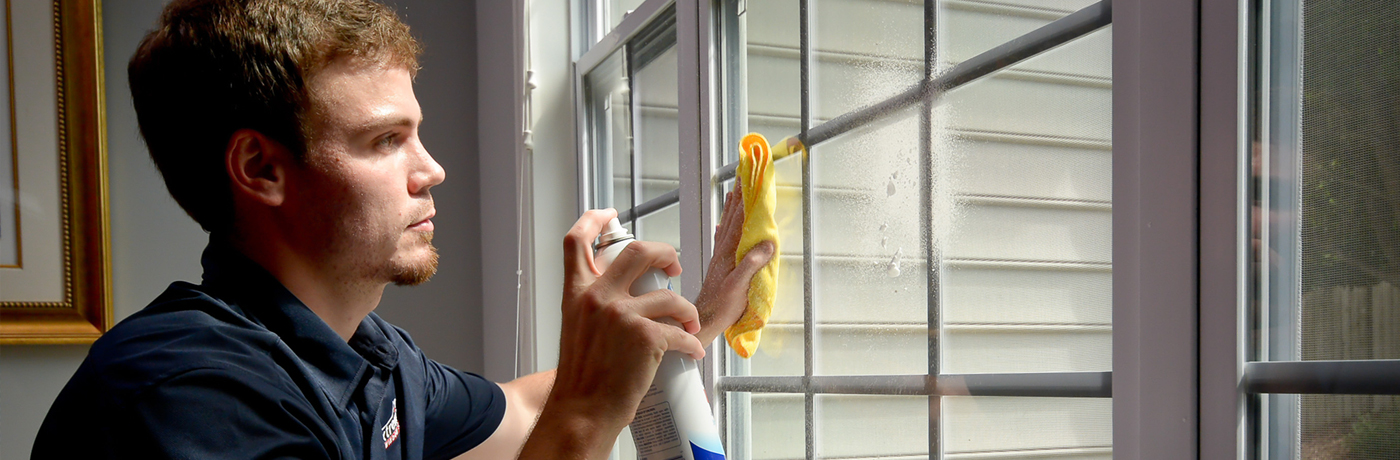
Here’s something installers don’t always mention upfront: bubbles, gaps, and poor application can further reduce light transmission and make windows look cloudy or distorted. A professional installation ensures the film is applied smoothly and evenly, maximizing both clarity and light transmission.
DIY kits exist, but they rarely deliver the same optical clarity. You’re adding a permanent modification to your windows; it’s worth getting it done right. During a professional installation, you’ll also get guidance on choosing the right VLT for each room based on your specific situation, something that’s hard to figure out from product descriptions alone.
Making the Right Choice for Your Home
So does window tint affect natural light? Sure. But the better question is: does it affect it in a way that matters negatively? For most installations using quality films in the 60 to 80% VLT range, the answer is no. You lose some light (usually 20% to 40%), but you gain comfort, UV protection, reduced energy costs, and the ability to actually use your windows without deploying an arsenal of blinds and curtains every afternoon.
The trick is matching the film to your needs. If you have massive south-facing windows in Greenville’s climate and you’re tired of running the AC constantly, a 60 to 70% VLT ceramic film might be perfect. If you just want UV protection and mild glare reduction, an 85% VLT film could be all you need. And here’s the thing: you can always see samples before committing. Most professional installers will show you different options held up to your actual windows so you can see how they look in your specific lighting conditions. It takes the guesswork out of the decision.
Learn how much window film can cool your house while maintaining natural light.
The Bottom Line
Window tint does reduce natural light, but it’s a selective reduction that targets the parts of sunlight you don’t want (heat and UV) while preserving most of what you do want (visibility and brightness). Modern films give you control over how much light you keep, from barely noticeable changes to significant dimming, depending on your priorities.
Will your home feel like a cave? Not unless you specifically choose very dark films, and even then, only in the rooms where you install them. Will you notice a difference? Probably, especially in the first few days. Will you regret it? Based on feedback from hundreds of installations, that’s pretty rare.
Most people wish they’d done it sooner. The combination of lower energy bills, protected furniture, eliminated glare, and more comfortable living spaces tends to outweigh any minor reduction in brightness. And honestly, after a week or two, your eyes adjust and it just becomes the new normal.
If you’re considering window tinting but worried about losing natural light, the best approach is to start with a consultation. See the films in person, ask about VLT options, and get recommendations based on your specific windows and goals. The right film doesn’t dim your life; it just makes your home more livable.
